Engine assemblies
Confirm whether the quote covers a bare long block or a dressed assembly. Record the supplied ancillaries and test evidence.

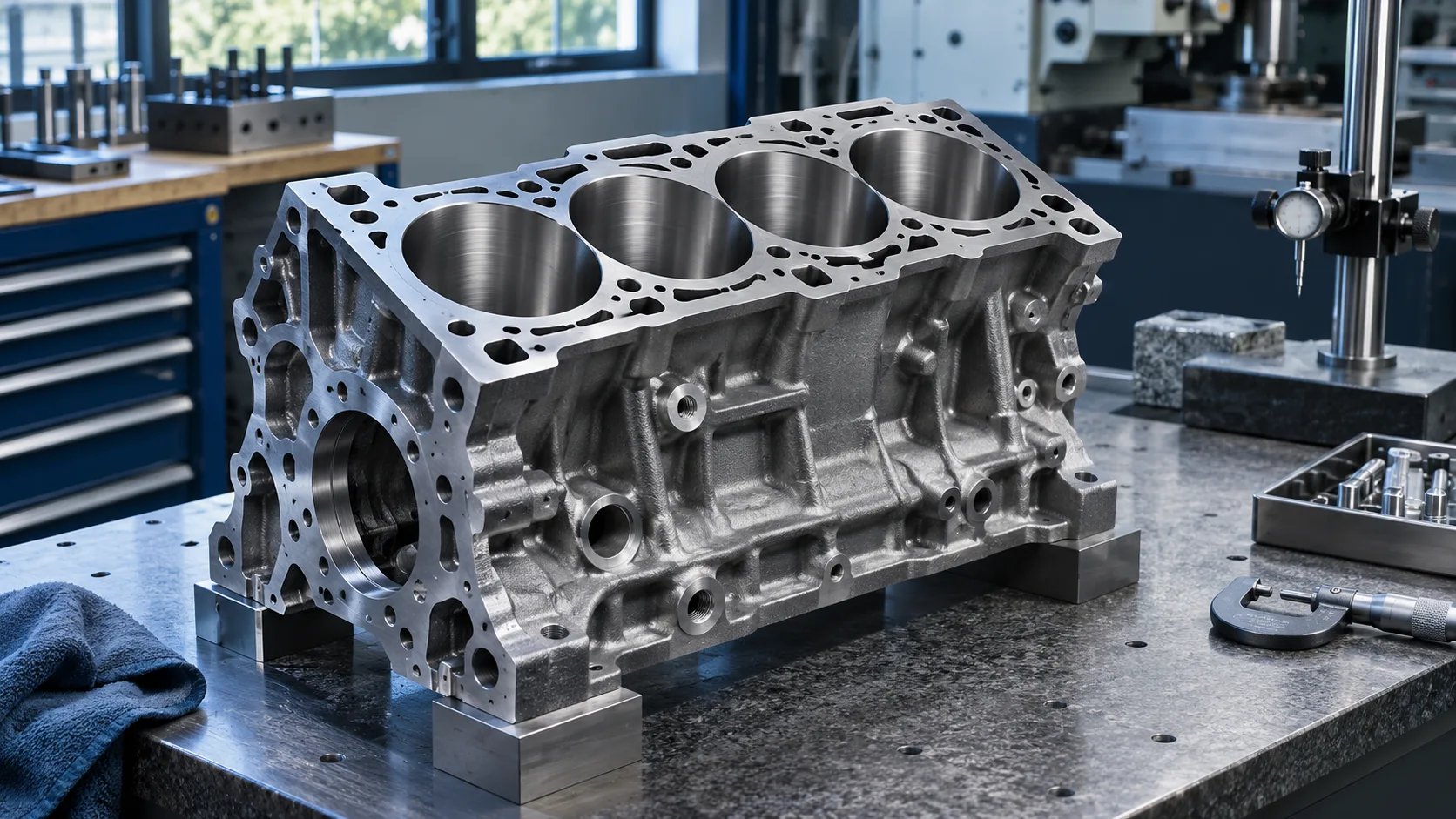
Identify replacement components and engine assemblies by fitment, application and condition.
Discuss your requirements Explore Automotive Parts CatalogCompare complete engines, long blocks, and individual service components. Define whether ancillaries, harnesses and control modules belong in the quoted assembly.
Confirm whether the quote covers a bare long block or a dressed assembly. Record the supplied ancillaries and test evidence.
Use part references and dimensions for items such as pumps, seals and mounting hardware. Verify changes across serial ranges.
Start with the engine code, equipment model and part number. Check serial breaks, connector layout and emissions configuration before approving an interchange.
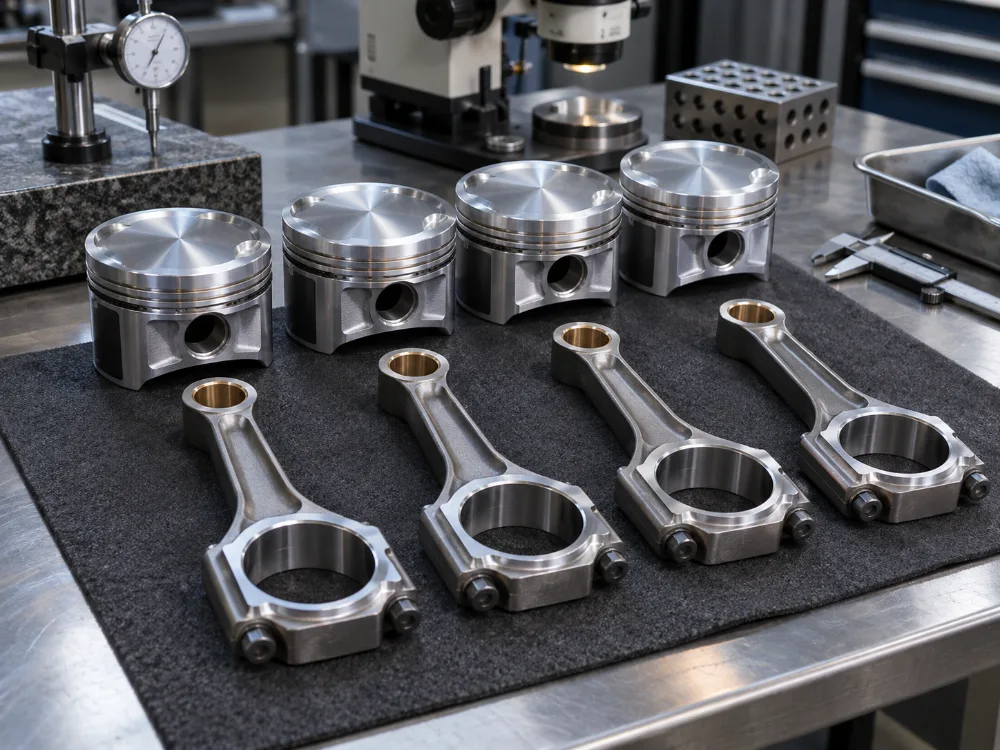
Request condition and inspection records for the offered unit. Document included hardware, mounting interfaces and any core-return terms in the purchase specification.
A fleet repair may call for an assembly matched to one vehicle configuration, while a distributor may need a cross-reference tied to each individual part number.
Clarify these points when comparing offers.
A model year is a useful starting point. Obtain the engine code and verify the original part reference and any superseding numbers.
Agree on drained-fluid requirements, sealed openings, corrosion protection and a crate suitable for the weight. Match serial numbers on the packing list to the units received.
Send a business inquiry