Wheat and barley
Define the intended milling, malting or feed use before comparing varieties, kernel quality and delivery grades.

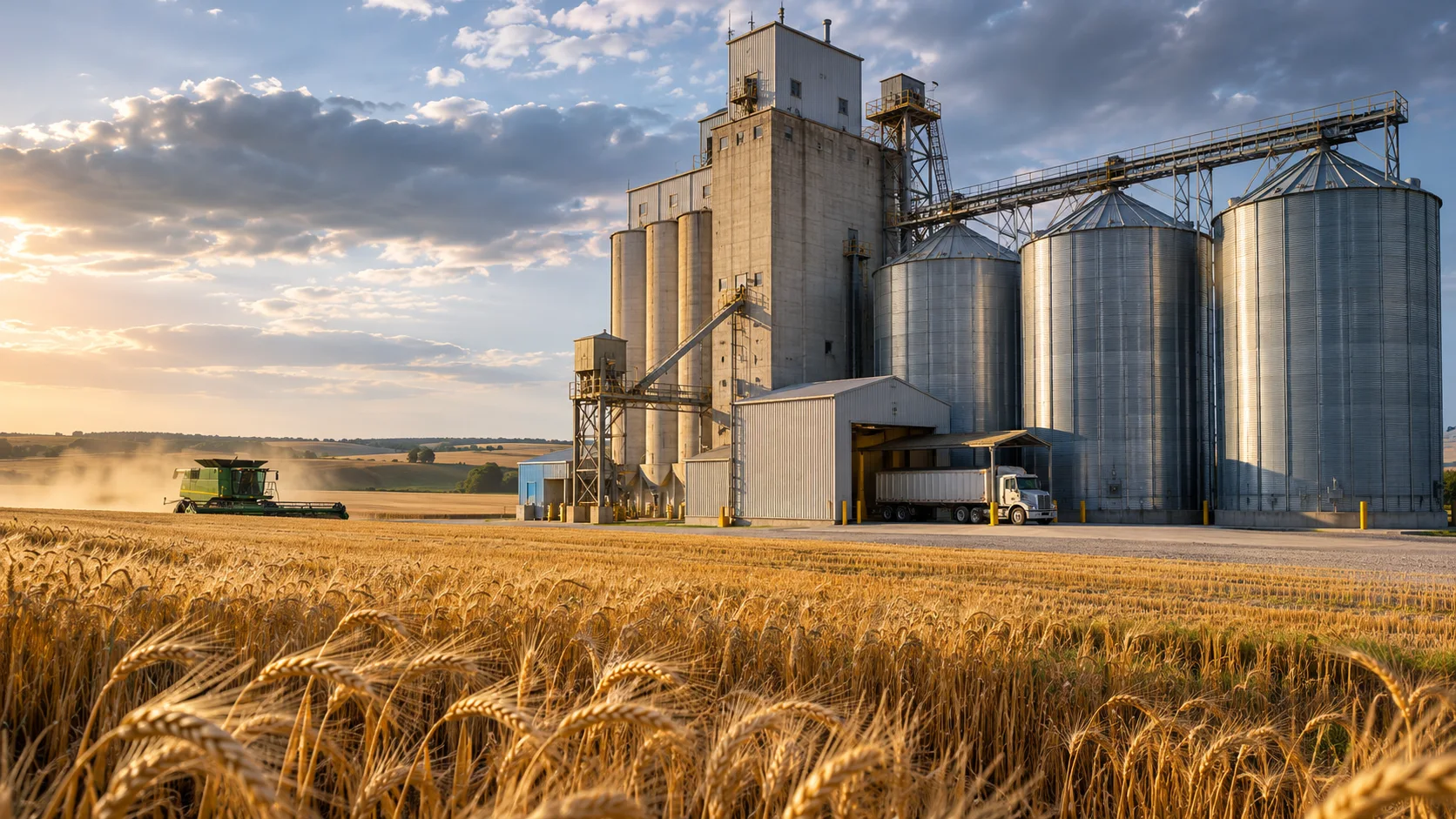
Define cereal grain grades for milling, processing and bulk distribution.
Discuss your requirementsWheat for flour, barley for malting and maize for processing or feed call for different acceptance criteria. Name both the crop and intended end use in an inquiry.
Define the intended milling, malting or feed use before comparing varieties, kernel quality and delivery grades.
Review the crop-specific grading factors, grain integrity and destination limits for the intended processing or feed use.
Millers may prioritize protein and milling yield. Maltsters review germination and kernel uniformity. Feed buyers commonly evaluate composition and contaminant limits for their formulation.
Agree on limits for moisture, foreign material and damaged kernels. Where relevant, specify protein basis, test weight and the contaminant tests required for the destination.
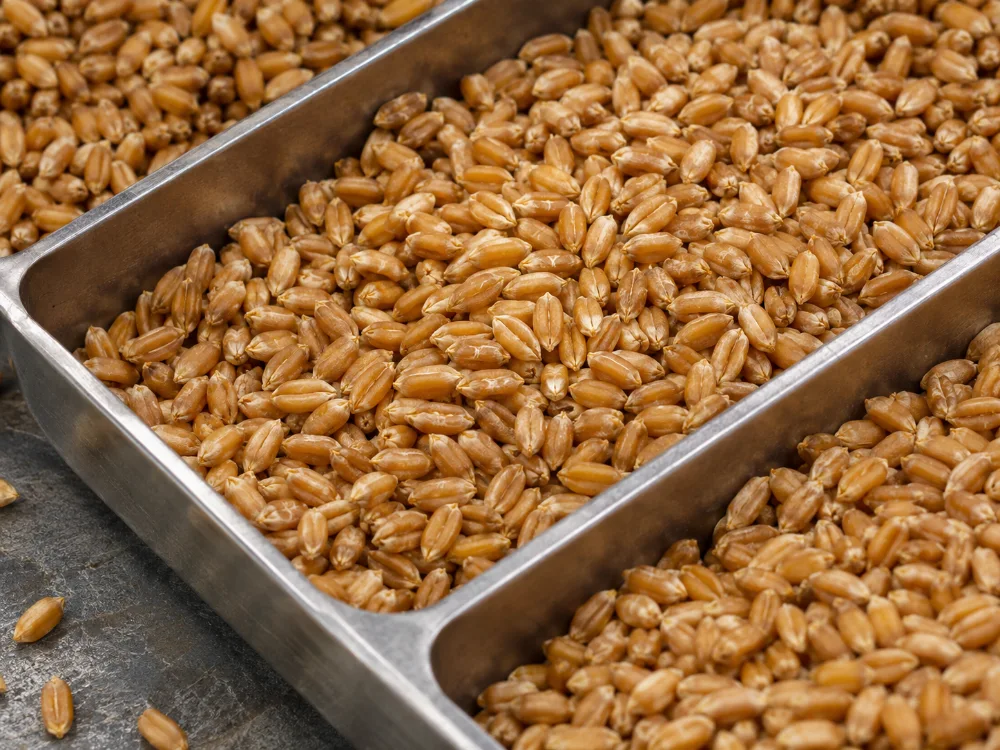
Agree on sampling at loading and delivery, check hold cleanliness and weather exposure, and plan unloading capacity at the receiving site.
Clarify these points when comparing offers.
Specify the sampling plan, the party responsible for sampling and how the composite sample and retained reference samples will be identified.
Set out the grade certificate, weight basis and applicable destination documents in the inquiry. Confirm vessel or container suitability and the agreed delivery term.
Send a business inquiry