Crude oil
Set the incoming parameters and refining requirements for oil being purchased as an intermediate.

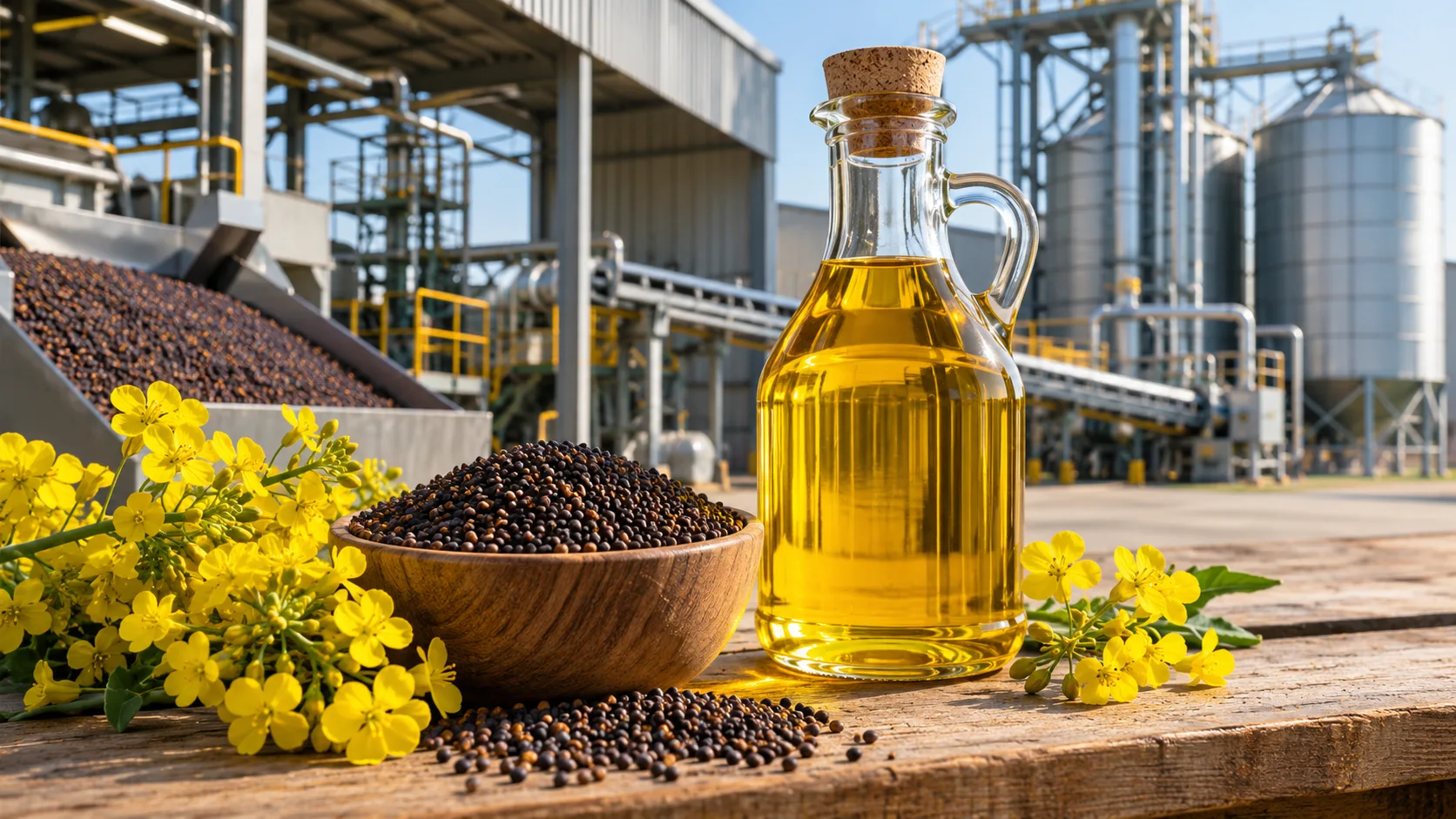
Assess edible seed oils by refining profile, fatty acid composition and delivery format.
Discuss your requirementsOil for further refining, bottled cooking oil and oil for food manufacturing require different evaluations. Trial the grade under the intended heating or formulation conditions.
Specify the oilseed, whether the oil is crude or refined, and any required fatty acid profile. Where relevant, distinguish conventional from high-oleic grades.
Set the incoming parameters and refining requirements for oil being purchased as an intermediate.
Confirm the intended food use, fatty acid profile, refining requirements and oxidative quality for the offered grade.
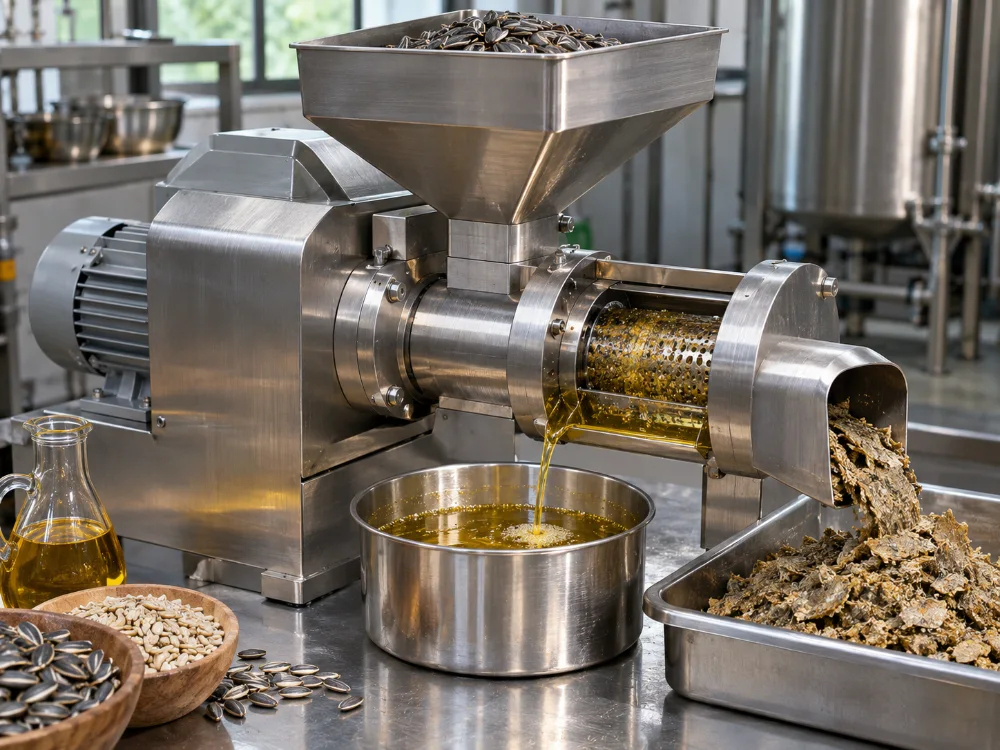
Oil can be recovered by pressing or extraction. Refining may remove gums, colour and odour. Confirm the required processing profile and intended food application with the supplier.
Define test methods and acceptance limits for relevant attributes such as free fatty acids and peroxide value. Record sampling conditions for bulk deliveries.
Clarify these points when comparing offers.
Confirm whether the receiver can accept a tanker or other approved bulk format and what cleanliness, previous-cargo and seal records are needed.
Agree on food-contact packaging, batch traceability and exposure limits for heat, light and air. Request a lot-specific certificate of analysis and confirm unloading arrangements.
Send a business inquiry