Product quality considerations
Agree on grade, moisture basis and acceptance tests.

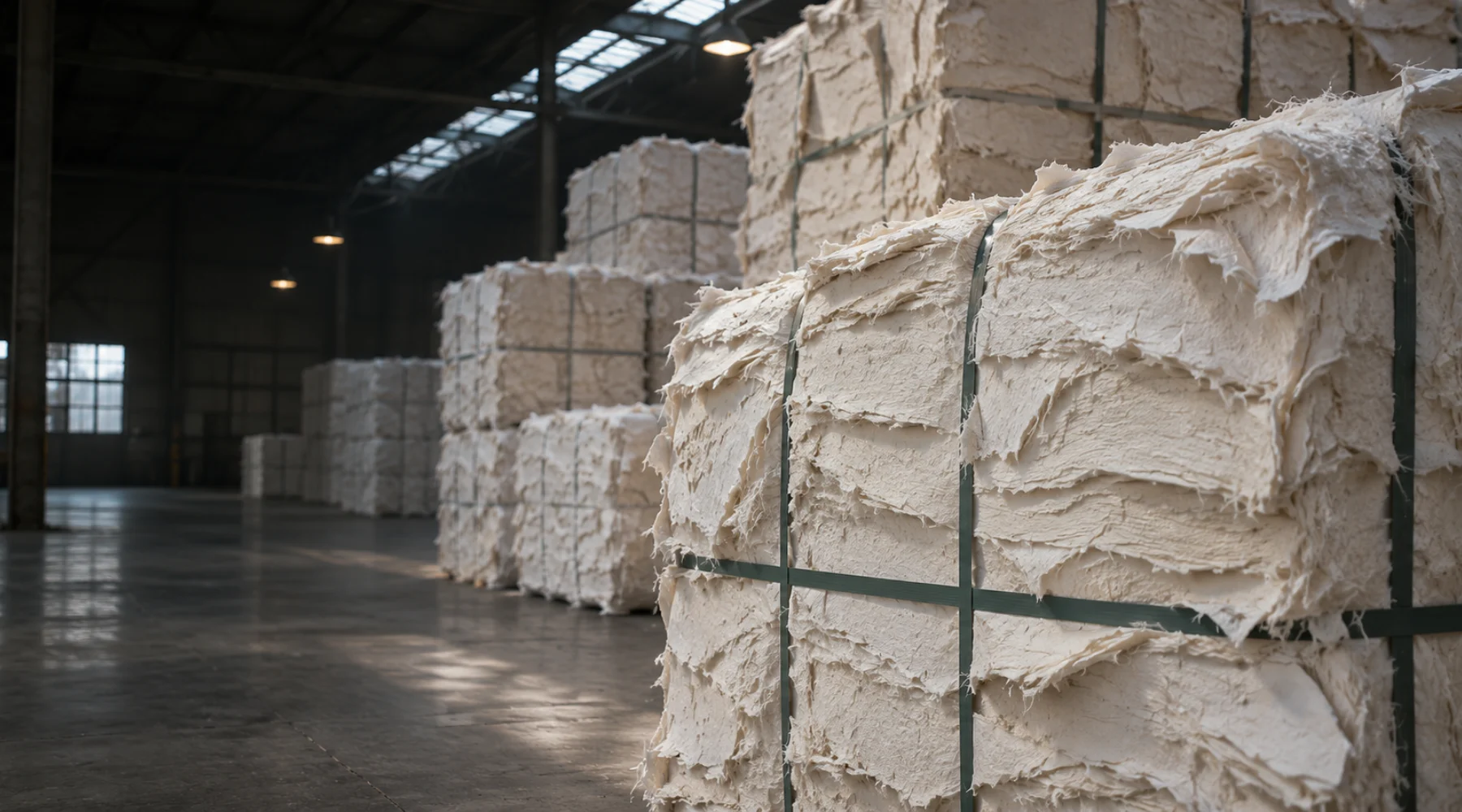
Source paper pulp for paper, tissue and board production. Share your target furnish and delivery requirements to start a business inquiry.
Send a business inquiryFour considerations for purchasing pulp across borders.
Agree on grade, moisture basis and acceptance tests.
Match the furnish to your finished sheet and process.
Compare grade references, origin and trial samples.
Align bale handling, documentation and delivery terms.
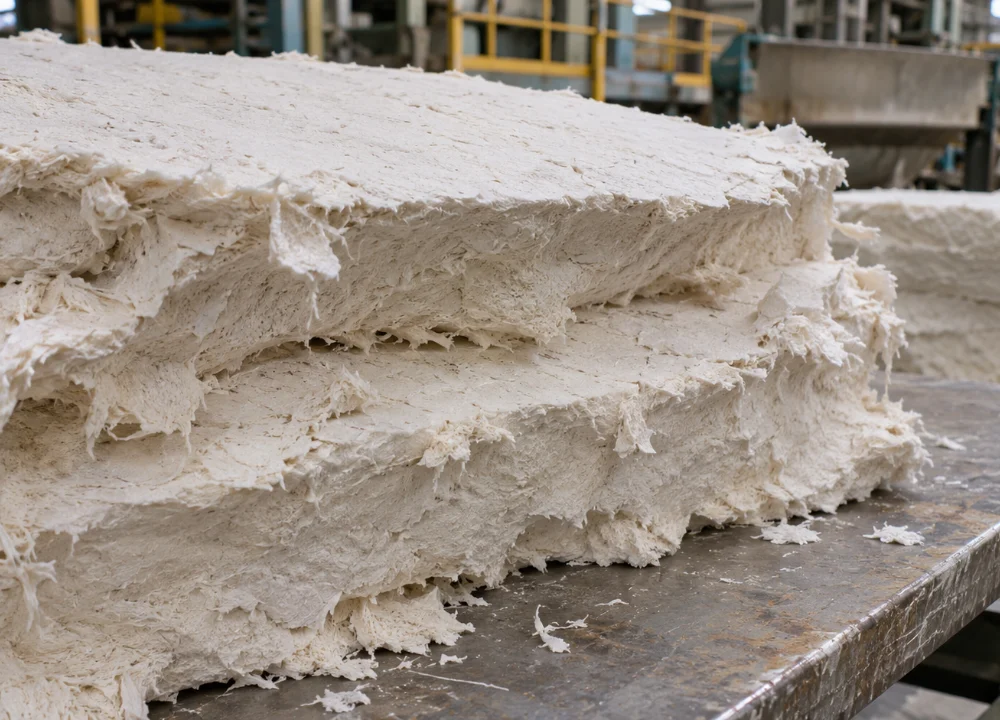
Paper pulp is the fibrous material dispersed in water to form a sheet. Mills select and blend pulp grades to achieve the strength, formation, appearance and machine performance required for the finished product. Longer softwood fibres can contribute strength. Shorter hardwood fibres can support formation and surface uniformity. When comparing offers, agree on the test methods, moisture basis and grade reference before evaluating samples.
Compare the bleaching treatment and fibre source against the needs of the finished sheet.
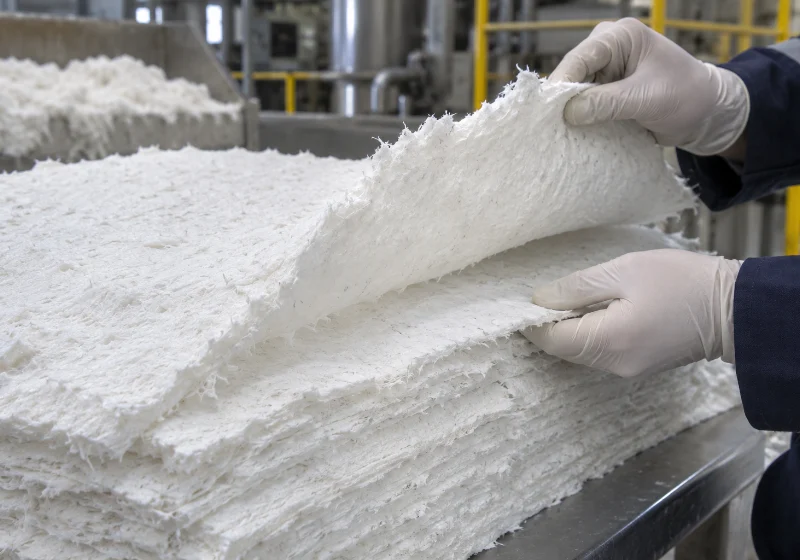
Bleaching raises pulp brightness. Bleached grades are commonly used in printing papers and tissue when appearance matters.
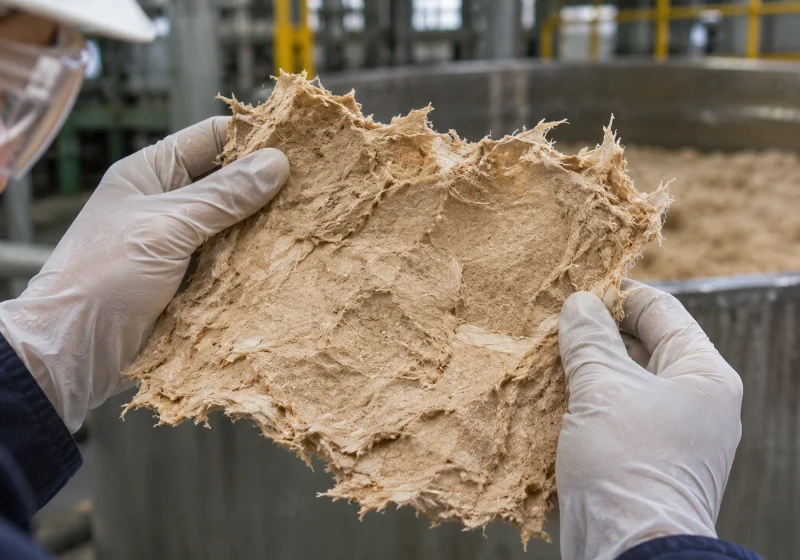
Unbleached kraft pulp retains its natural brown colour and is commonly used in packaging where brightness is secondary.
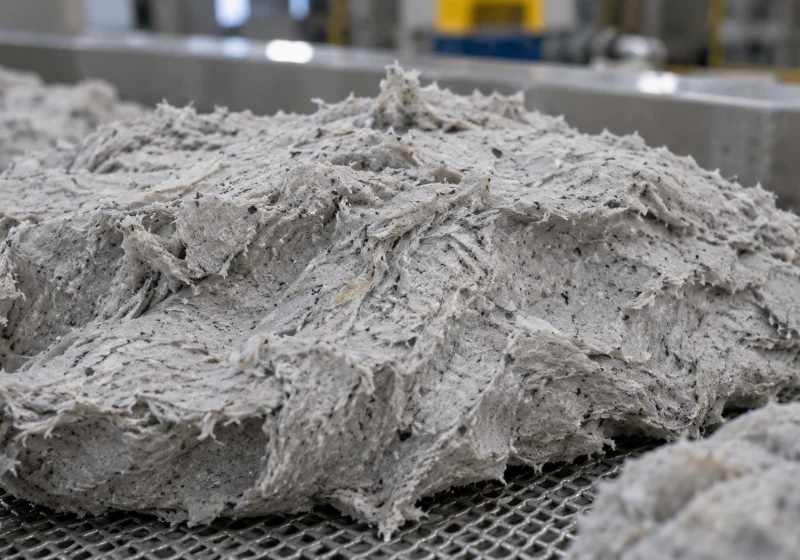
Recovered paper is repulped and screened. Deinking and other cleaning steps depend on the feedstock and the intended grade.
Each use places different demands on fibre, processing and finished-sheet properties.
Select fibre blends for formation, opacity and surface characteristics appropriate to printing.
Evaluate bulk, softness, absorbency and wet or dry strength for the intended product.
Consider stiffness, tensile strength and bonding requirements for each ply.
Start with the end-use specification and validate furnish behaviour on the mill's process.
Use these points to describe the required grade and compare like-for-like quotations.
Specify hardwood, softwood, recycled fibre or a blend. Agree on the brightness test method and target when appearance matters.
Agree on the moisture and invoicing basis. Specify strength tests, sample preparation and acceptance criteria for the intended furnish.
Confirm bale dimensions, unit weights, wrapping, strapping and handling requirements before booking freight.
Request the grade data sheet, lot identifiers and shipping weights. Agree on delivery terms, unloading arrangements and protection from moisture in transit.
Questions to clarify before placing an order.
Moisture affects shipment weight. An agreed dry-matter basis makes quotes, invoices and receiving records comparable.
Fibre length and strength affect furnish behaviour. Compare blends in a mill trial before committing volume.
Provide the application, grade reference or target properties, test methods, order quantity, packaging requirements and receiving location.
Include the application, target grade, quantity and receiving location so the inquiry can begin with your purchasing requirements.
Send a business inquiry